
Small cottage houses for sale in the U.S. typically measure between 600 and 1,200 square feet-well below the national median of 2,142 sq ft for new single-family homes completed in 2025. Whether you’re a first-time buyer on a tight budget, a retiree thinking about downsizing, or someone searching for a vacation retreat with rustic charm, cottages offer an affordable and character-rich alternative to conventional homes. This guide walks through the main styles, what to inspect, and how to choose the right cottage home for your situation.
Small cottages can provide lower maintenance costs compared to larger homes, a cozy living environment with connections to nature, and a simpler day-to-day routine. If you want ongoing small-home ideas, tours, and buying tips delivered to your inbox, consider subscribing to the Small Homes USA Newsletter.
Types of Small Cottage Houses for Sale
Small cottage listings come in several distinct styles and use-cases across the U.S. market. Understanding the differences helps you narrow your search before you ever schedule a showing.
Classic Craftsman Cottages (1900–1940)
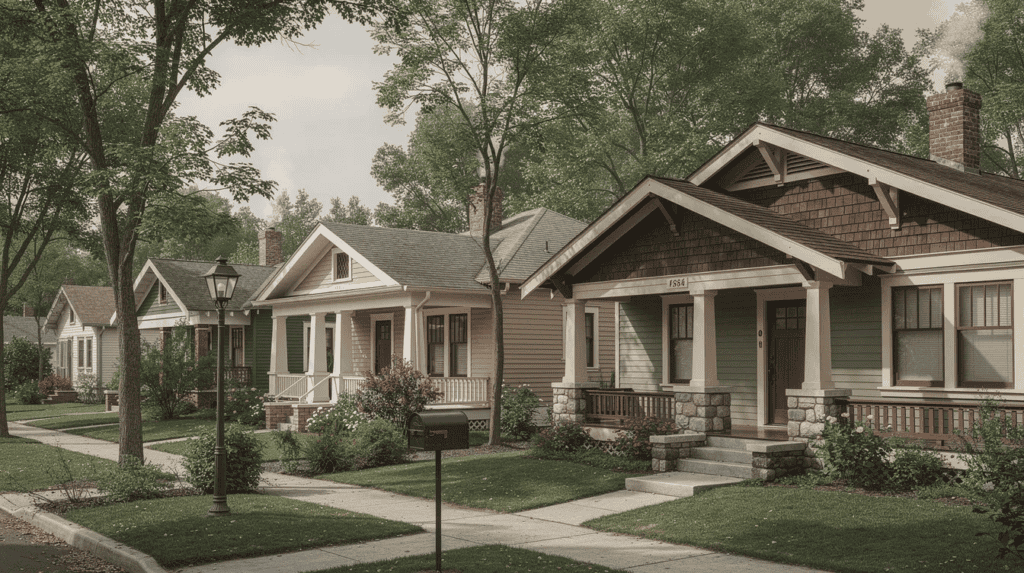
Most cottages were built between 1900 and 1930, and Craftsman bungalows are among the most recognizable. These 800–1,200 sq ft homes are concentrated in cities like Portland, Minneapolis, and Atlanta, where walkable neighborhoods with mature trees make them especially appealing. Cottages in Atlanta are popular in Fulton and Dekalb County and are often found in historic neighborhoods with original streetcar-era character.
A typical Craftsman cottage features a low-pitched gabled roof, wide porch with tapered columns, two bedrooms, one bath, a central living room, and a basement in colder climates. Inside, expect original woodwork, built-in cabinetry, and hardwood floors. However, buyers should also expect potential knob-and-tube wiring, outdated plumbing, and minimal insulation-issues that are manageable but require honest budgeting.
These cottages are perfect for buyers who value architectural detail and established neighborhoods and are comfortable with some renovation work. In Atlanta, cottages are available under $250K and over $600K depending on condition and proximity to in-demand districts.
Storybook & English-Style Cottages
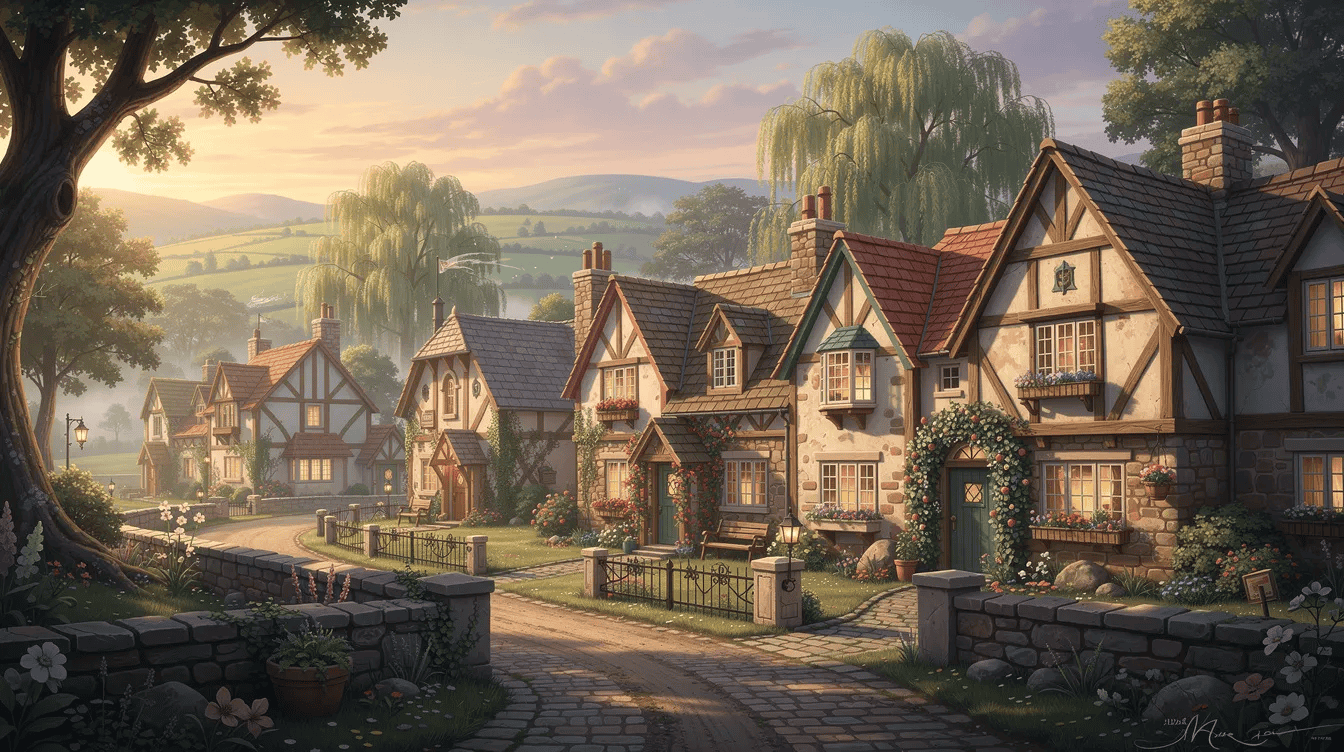
Steeply pitched roofs, brick or stucco exteriors, arched doorways, and decorative chimneys define these 600–1,200 sq ft homes, common in Midwest and East Coast suburbs built in the 1920s and 1930s. Craftsman and English styles are common in cottage architecture, and the storybook variety delivers a “fairy-tale” curb appeal that few other housing types can match.
Inside, rooms tend to be small but cozy, with stone or brick fireplaces, dormer bedrooms, and mature landscaping with climbing vines. Cottages often feature one-story layouts, though English-style examples sometimes include a usable second floor tucked under steep gables with loft spaces for additional sleeping areas.
Because these homes sit in established, desirable suburbs, supply is limited. Realtor.com data shows that larger English-inspired homes carry median prices around $2,700 sq ft in some markets, but smaller, more modest cottages still command a per-square-foot premium driven by scarcity and architectural detail. Buyers drawn to visual charm and who accept compact, compartmentalized rooms will find these listings compelling.
Lakeside & Mountain Cabin Cottages
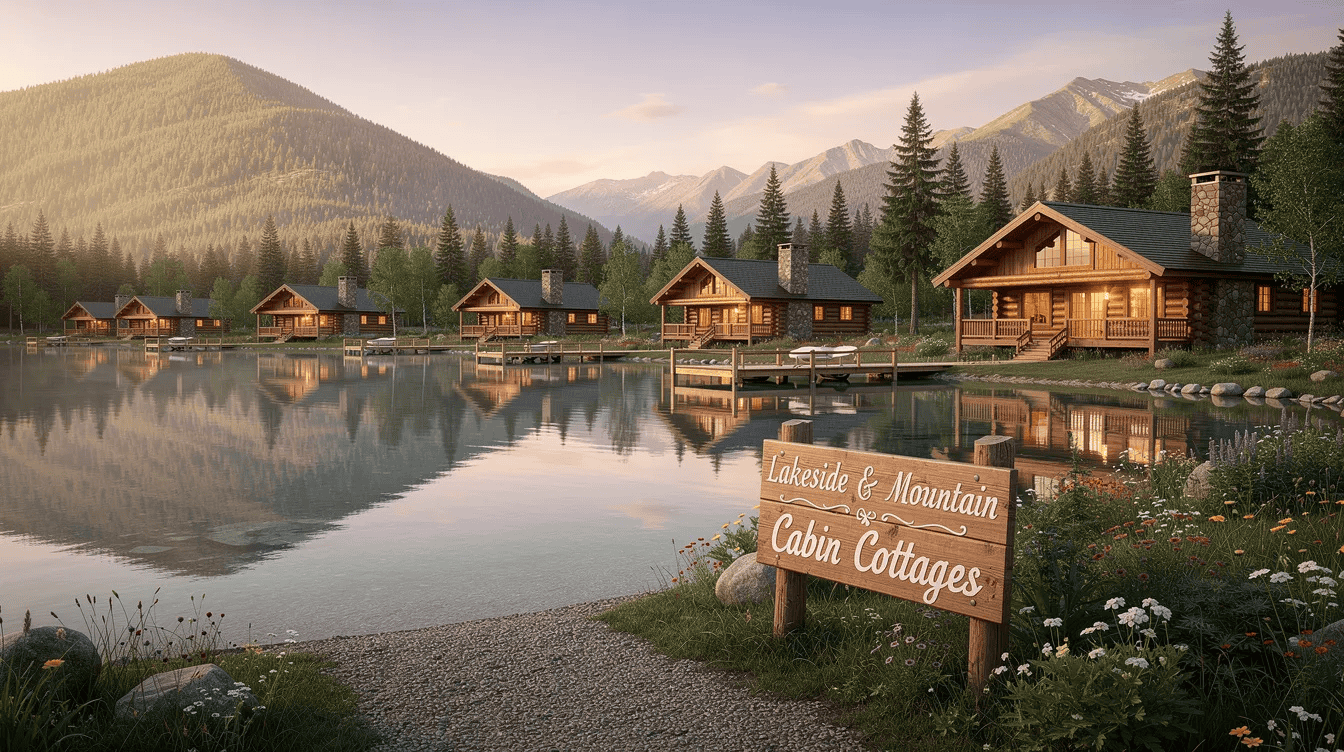
Vacation and second-home cottages in the 300–900 sq ft range populate regions like the Adirondacks, the Lake Tahoe area, the Ozarks, and the Smokies. Construction varies from log and timber-frame cabins to A-frame and simple stick-built structures. Cottage architecture can include traditional stone and wood construction for rustic appeal, while more recently renovated examples may feature large windows, modern kitchens, and upgraded baths.
These cottages suit buyers looking for short-term rental potential, a family getaway, or even full-time simple living if permanent comfort systems are added. Seasonal access matters: snow, road closures, and winterization (insulation, moisture control, heating capacity) should be evaluated before buying. Utilities are a critical consideration when buying rural or lakefront cottages-some rely on well water, propane, or off-grid solar rather than municipal services.
Cottages may have outdoor features like fire pits and picnic areas that extend usable living space beyond the home’s modest square footage, which is part of what makes cabin life work in practice.
Modern Small Cottages & ADUs (2010–2026)
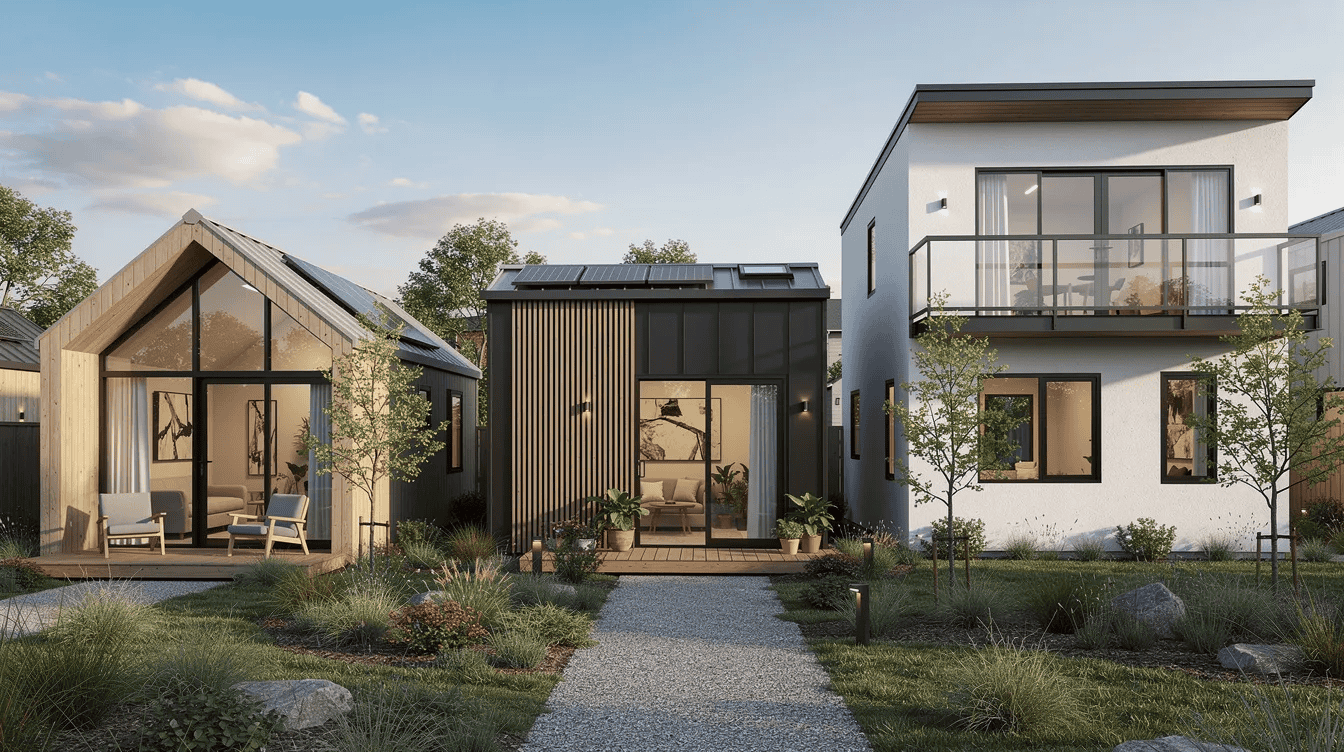
Newer builds under 1,000 sq ft-often backyard cottages, accessory dwelling units (ADUs), or standalone infill homes-are appearing in cities like Seattle, Austin, and Los Angeles. The Pacific Northwest offers a scenic setting for cottage-style homes, and recent zoning reforms in states like Maryland and Virginia now require jurisdictions to allow ADUs on single-family lots, expanding supply.
Common features include open floor plans, energy-efficient windows, mini-split HVAC systems, metal or low-maintenance roofs, and sometimes solar panels. Efficient layouts maximize space in small cottages with features like open-concept designs and built-in home offices for remote work. Cottage house plan sales rose to about 7% of overall plans in 2025, up from 6% in 2024, reflecting growing demand.
Modern small cottages suit remote workers, multigenerational families wanting a separate unit on a shared lot, or owners seeking rental income. Fannie Mae treats homes with ADUs like any standard home for mortgage purposes, which makes financing more accessible than many buyers expect. Cottage communities may include master-planned neighborhoods focused on downsized living, another emerging option worth exploring.
Off‑Grid & Rural Micro‑Cottages
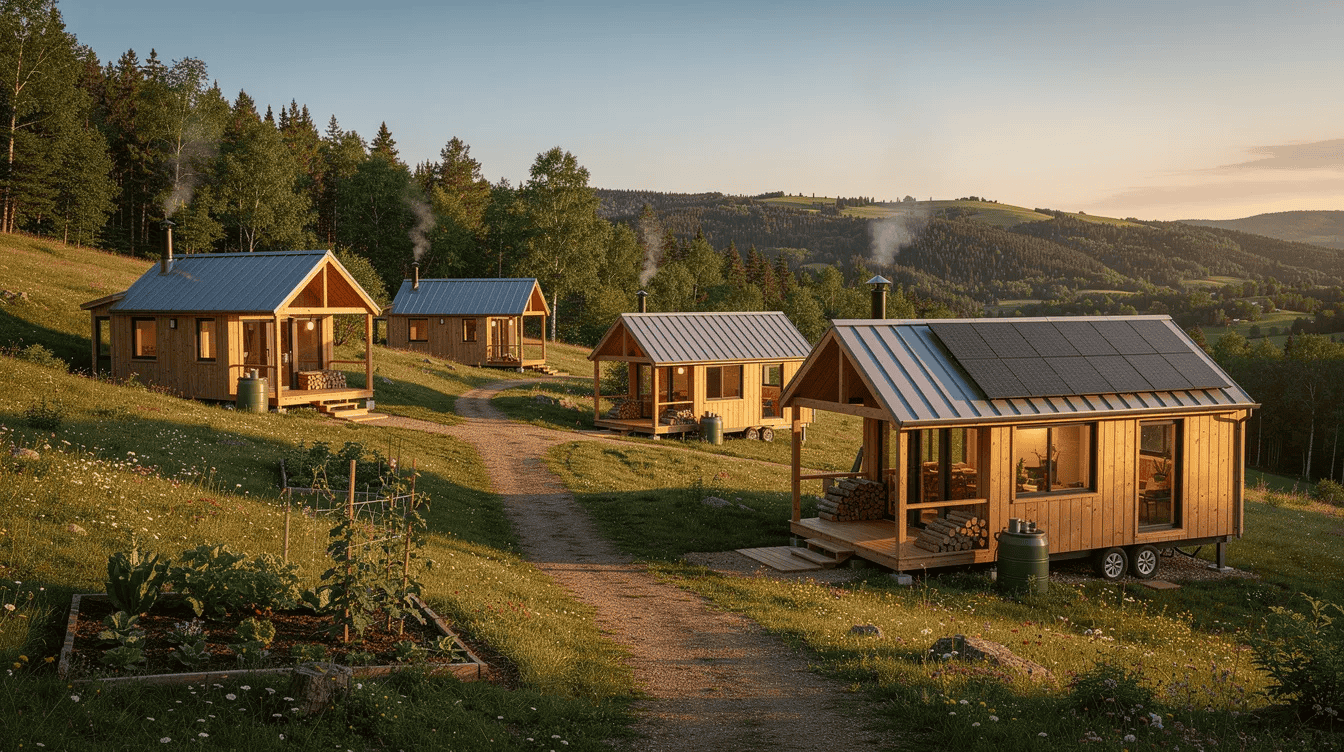
At the smallest end of the spectrum, 150–500 sq ft structures on larger tracts of land in rural states like Montana, Oregon, and Tennessee offer maximum privacy and scenic views. These micro-cottages may run on solar panels with battery storage, well water, propane or wood heating, and composting toilets.
The attractions are clear: low land cost, minimal environmental footprint, and access to hunting, fishing, and hiking. The average cost to buy land in Arkansas is $42,441 per acre, making rural parcels in states like these far more attainable than coastal markets. There are currently 92 cottages for sale in Arkansas, with an average listing price of $656,655-though prices vary widely by size and amenities.
Trade-offs are equally real. Distance to medical care, groceries, and schools requires self-sufficiency. Many cottages rely on non-standard utilities and systems in rural areas, and county building codes may require permanent foundations, permitted septic systems with soil percolation tests, and water quality testing for bacteria and nitrates. Seasonal road access (snow, mud) should be verified before committing.
What to Look For in Small Cottage Houses for Sale
The charm of a cottage-a porch wrapped in morning light, original woodwork, a fireplace you can practically touch from the couch-can distract from critical details. Buying a small cottage house has unique practical, financial, and structural considerations. Below are the features that determine comfort, safety, and long-term costs.
Square Footage, Layout, and Storage
Cottages are typically less than 1,500 square feet, but what matters more than raw numbers is how the floor plan functions. In a 700 sq ft cottage, an inefficient layout with long corridors and oddly shaped rooms wastes precious space, while a well-designed plan with a combined living-dining area and built-in storage can feel surprisingly spacious.
Check for smart storage solutions: built-in shelving, window seats with storage underneath, attic or basement access, well-designed closets, and exterior sheds or garages. Choosing the right size and layout is important in selecting a small cottage-imagine your daily routines. Where would you work? Where would a guest sleep? Can you cook and have a conversation at the same time? Walking through these scenarios during a showing reveals whether the floor plan will actually function for your life.
Age of the Cottage and Structural Condition
Before purchasing a cottage, buyers should evaluate property condition thoroughly. Start with the big-ticket items: foundation type (slab, crawlspace, pier-and-beam), roof age and condition, and any signs of settling such as cracked walls or uneven floors. Older cottages may require frequent maintenance to combat moisture, rot, and pests-especially in crawlspaces or under eaves.
Many pre-1940 cottages need updated electrical (knob-and-tube wiring is common), plumbing (galvanized or even lead pipes), and insulation. A specialized inspection is crucial. Older cottages may include unique architectural features that require careful inspection-original plaster walls, decorative trim, and unusual framing methods all deserve expert evaluation.
Lead paint is a serious consideration for homes built before 1978. EPA data shows that roughly 87% of homes built before 1940 contain some lead-based paint. Asbestos may also be present in siding, flooring, or pipe insulation in mid-century cottages. Certified inspectors should test for both before any renovation begins.
Insulation, Heating, and Cooling
Common insulation gaps in older small cottages-uninsulated walls, single-pane windows, leaky attic spaces-translate directly into high utility bills and thermal discomfort. Cottages can include amenities like porches and double-pane windows, but many older examples lack even basic air sealing.
Compare typical heating and cooling systems for small homes: baseboard electric heat, wall heaters, wood stoves or fireplaces (which require chimney inspection and safety clearances), gas furnaces, and mini-split heat pumps. Mini-splits are increasingly popular in cottages because they provide efficient zone heating and cooling without ductwork.
In colder or hotter climates, request recent utility bills or estimate monthly costs before committing. For vacation cottages or cabins in remote areas, check whether heating relies on propane delivery or off-grid solar-each carries different upfront and running costs.
Utilities, Septic, and Water Sources
Urban cottages typically connect to city water and sewer, but rural and lakeside cottages often depend on wells and septic systems. Potential buyers should assess local infrastructure and utilities when considering a cottage-the difference between city services and a private well with a septic tank is significant for both livability and resale value.
Key checks include: age and capacity of the septic tank, whether the system is permitted, well flow test results, and water potability. Private wells should be tested annually for coliform bacteria, nitrates, pH, and other local contaminants. Septic regulations vary by county but almost always require soil percolation tests, proper drain field design, and setbacks from wells and water sources.
Maintaining a manageable yard and landscaping is important for cottage upkeep as well-overgrown vegetation near a septic drain field or foundation can cause costly problems over time.
Zoning, ADU Rules, and Short‑Term Rental Regulations
Local zoning laws often restrict short-term rentals and expansions of small cottages. How your property is zoned-primary dwelling, guest house, or ADU-determines what you can legally do with it, from renting it on Airbnb to adding square footage.
Popular vacation areas and cities frequently require permits for short-term rentals, limit the number of nights per year, or prohibit them outright in certain zones. Check your city or county website for current 2026 rules before assuming rental income. Some cottages may sit in historic districts requiring approval for exterior changes, which can constrain renovation plans.
Understanding local building codes and restrictions is vital for future renovations. Confirm whether you can add on, build another small unit on the lot, or convert the cottage to rental use down the road. These details can significantly affect both your enjoyment of the property and its long-term value.
Location, Setting, and Lifestyle Fit
Ideal cottage locations include regions with historic character or scenic environments-but the right setting depends entirely on how you plan to live. Think about commute times, access to groceries and healthcare, internet reliability, and seasonal access. Flood zones, wildfire risk areas, and hurricane-prone coastlines all carry higher insurance costs.
Walkable urban cottages offer amenities within reach; secluded forest or lake cottages offer solitude but require self-sufficiency. New England is known for classic coastal and woodland cottage living, while cottages in San Diego are typically under 1,500 square feet and most were built from 1900 to 1930-but carry a median list price of $1,100,000, with an average price per square foot of $723.04. Location drives price as much as size does.
Cottages often provide a cozy living environment with connections to nature, but visit at different times of day and in different seasons when possible. A lakeside cottage that’s idyllic in June may be inaccessible in February. Use tools like Street View and local forums to supplement in-person visits.
How to Choose the Right Small Cottage House
The “right” cottage balances space, budget, location, and lifestyle. No single listing checks every box-the goal is to find the home that aligns with your top priorities while keeping compromises manageable.
- Space Needs and Household Size – Solo buyers or couples may be comfortable in 300–700 sq ft, especially with a flexible layout and good outdoor space. Small families often need 800–1,200 sq ft or creative solutions like loft sleeping areas and multi-function rooms. Some cottages have loft spaces for additional sleeping areas that effectively expand usable square footage without increasing the footprint.
- Intended Use (Full‑Time vs. Part‑Time) – A weekend cabin can tolerate quirks-ladder lofts, composting toilets, limited insulation-that would be frustrating in a full-time residence. Full-time living demands year-round insulation, reliable heating and cooling, full utilities, and code-compliant systems.
- Budget and Ongoing Costs – Look beyond the sale price. Factor in property taxes, utilities, insurance (especially in wildfire or flood zones), and expected renovation work. Arkansas has 92 cottages with an average listing price of $656,655, while cottages in Atlanta are available under $250K-the same “type” of home can vary enormously by region. Even a small cottage can carry high per-square-foot costs: the median contract price for new construction in 2025 was about $171.57/sq ft excluding land.
- Location Priorities – Rank what matters most: proximity to jobs or schools, outdoor recreation, or family support networks. Then search within those zones. Urban and suburban cottages offer walkability; rural ones offer views and privacy but at the cost of distance to essentials.
- Renovation Appetite – Decide whether you want a move-in-ready small cottage or are willing to tackle a 1920s fixer with structural and systems upgrades. Homes for sale in historic districts may look perfect from the curb but carry significant hidden costs in electrical, plumbing, and insulation work.
Frequently Asked Questions
These FAQs address common questions people have when searching for small cottage houses for sale in 2026.
What counts as a “small cottage house” in today’s market?
Small cottage houses typically measure between 600 and 1,200 square feet, though some micro-cottages and ADUs start as small as 150–200 sq ft. The term overlaps with “tiny houses,” “small homes,” “cabins,” and “bungalows.” Real estate listings may label them “single-family home,” “cabin,” or “ADU” rather than “cottage,” so filtering by maximum square footage and using multiple keywords is the most reliable way to find them.
Are small cottage houses actually cheaper than regular houses?
Small cottages can offer affordable housing options for first-time buyers and downsizers-total price is usually lower than a full-size home. But price per square foot is often higher because fixed costs like the roof, foundation, and permits are spread over less area. Location amplifies this: cottages in San Diego have a median list price of $1,100,000 and the average price per square foot for San Diego cottages is $723.04, while similar-sized homes in less competitive markets sell for a fraction of that. Compare recent sold prices for cottages versus larger homes in the same neighborhood to set realistic expectations.
Can I get a conventional mortgage on a small cottage?
Yes-most fixed, site-built cottages on permanent foundations qualify for standard financing if they meet lender minimums (often 400–600+ sq ft, depending on the lender). Fannie Mae’s guidelines allow standard mortgage products for homes with ADUs, and manufactured homes classified as real property may also qualify under certain programs. Very small or unconventional cottages-off-grid, no permanent foundation, or not connected to utilities-may require portfolio loans, land loans, or cash.
What inspections are most important for an older cottage?
Beyond a general home inspection, prioritize: a structural/foundation assessment, roof condition evaluation, electrical and plumbing reviews, septic inspection (for rural properties), chimney and fireplace inspection, and tests for lead paint (common in pre-1978 homes) and asbestos. For cabins, add well water quality testing and HVAC evaluation. The smaller the house, the more each system matters-one failing component can consume a large share of your total budget.
Is it realistic to live full‑time in a 400–600 sq ft cottage?
It is, provided the layout is thoughtful, storage is well-planned, outdoor space is available, and your household is willing to simplify possessions. Cottages often feature one-story, single-family layouts that minimize wasted hallway and staircase space. Many people in the small-home movement live well under 600 sq ft. The key factors are climate (can you be comfortable year-round?), utilities (are they reliable and adequate?), and personal preference. Suggest trying a month-long stay in a similarly sized rental cottage to test the lifestyle before selling your current home and buying.
How do I find small cottage houses for sale if listings don’t use that exact term?
Use concrete search strategies: filter by maximum square footage (e.g., under 1,000 or 1,200 sq ft), set bedrooms to 1–2, and use keywords like “cottage,” “bungalow,” “cabin,” “tiny,” “ADU,” or “guest house” in listing descriptions. Cottages often feature architectural styles like English Country, Coastal, and Craftsman-searching by style can surface results too. Set alerts on major portals like Zillow, Redfin, and Realtor.com, and consider working with agents who specialize in small or historic homes.
Next Steps: Browsing and Learning More About Small Cottages
Start by clarifying your priorities-size, setting, budget, and whether you’re buying for full-time living or weekend escapes. Then set up filtered searches on listing sites and begin watching what comes to market in your target areas. Over time, you’ll develop an intuitive sense of what cottages in your price range actually look like and where the best value sits.
Subscribe to the free Small Homes USA Newsletter for weekly examples of real small cottage homes, floor plan ideas, renovation stories, and practical advice for small-space living. It’s a useful way to stay current with ADU regulations, design trends, and new listings without having to search every day.
Buying a small cottage is as much a lifestyle decision as a real estate purchase. The right home balances the charm and simplicity you’re drawn to with the practical realities of structure, systems, and location. Take your time, inspect carefully, and you’ll find a cottage you’ll enjoy for years.
